Unidos con los trabajadores
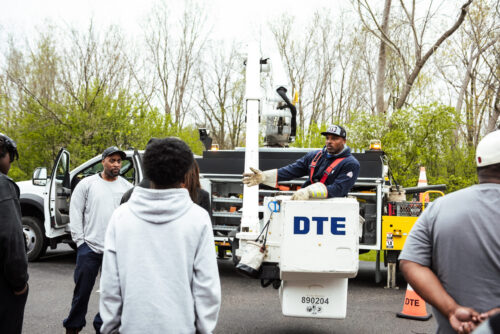
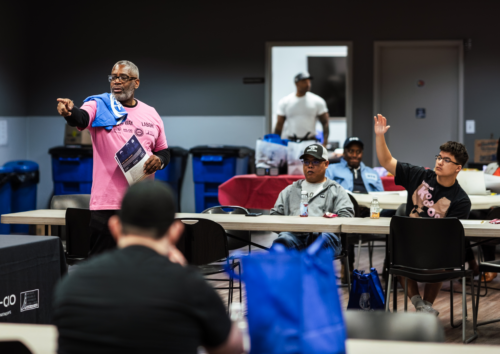
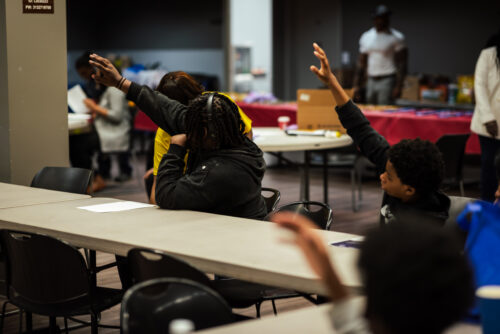
El recién graduado de secundaria Luke Butina desea ser electricista. Se unió al equipo laboral de United Way for Southeastern Michigan en su Día de Formación en Oficios Calificados para Jóvenes (YSE), diseñado para jóvenes de 13 a 19 años para tener una experiencia real del entorno de los oficios calificados.
“Mi papá es electricista y yo vine a aprender más”, dijo Luke. “Es un buen trabajo y la IA no podrá reemplazarlo, al menos por un tiempo”.”
Luke no está solo, un encuesta 2025 se constató que el 71% de los estadounidenses teme que la IA deje a demasiadas personas sin trabajo de forma permanente. Las profesiones de oficios especializados demostraron más resistente ante la deslocalización y la automatización.
“Ahora mismo es el mejor momento para entrar en el sector de los oficios; en mi localidad hay 1001 puestos de trabajo en el sector TP3T”, afirmó Julius Draughan de Fontaneros Local 98. Eso significa que no hay nadie necesitando un trabajo en mi sindicato, y de hecho necesitan más gente de la que tienen.“

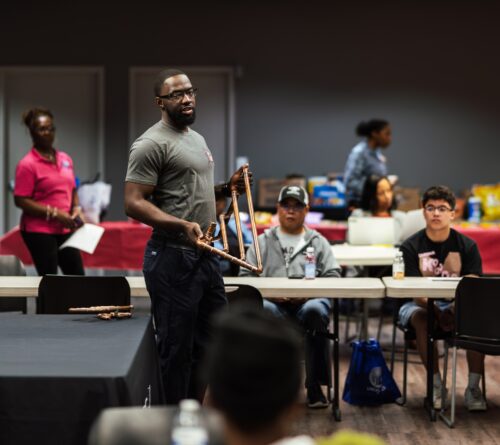
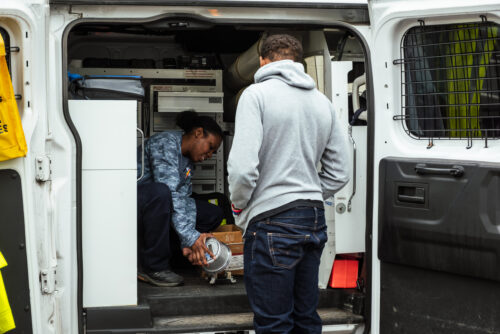

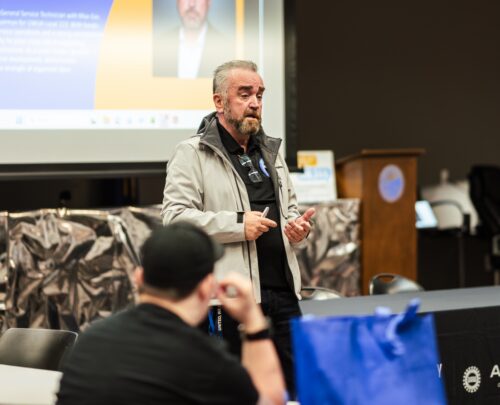
Durante la sesión de la mañana, varios ponentes compartieron consejos sobre una variedad de profesiones muy demandadas, entre las que se incluyen: representante de servicio de campo de DTE, electricista, técnico de gas, líneas aéreas de alta tensión, climatización, plomero y instalador de líneas subterráneas.
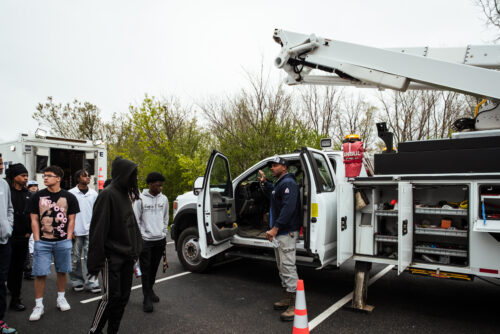
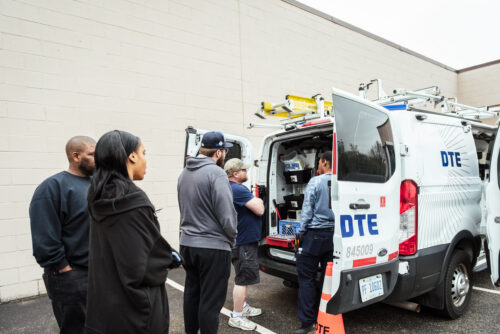
Después de una pausa de almuerzo de networking, los estudiantes exploraron varios vehículos y herramientas de servicio de DTE en el exterior. Sindicato de Trabajadores de Servicios Públicos de América (UWUA) Local 223.
El dinero habla
El equipo laboral de United Way compartió información sobre ALICE (Activos limitados, ingresos restringidos, empleada) exponer el costo real de vida en el sureste de Michigan.
Los estudiantes aprendieron que tener un empleo a tiempo completo no garantiza que se puedan cubrir todas las necesidades básicas. Muchos se mostraron sorprendidos al saber que mantener a una familia de cuatro personas cuesta más de 1 490 000 TPA al año.
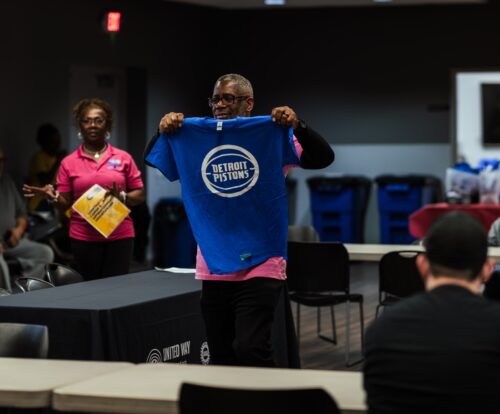
“Lo llamamos un presupuesto "sin lujos" porque no incluye ningún extra: ni películas, ni zapatillas nuevas, ni viajes a Disney World‘, afirmó Alicia Dennis, directora de Relaciones Laborales de United Way. ’Se necesitarían al menos 190 000 dólares, y muchos empleos no pagan esa cantidad; créanme, no lo hacen”.“
Alicia compartió con los estudiantes cómo se siente vivir por debajo del umbral presupuestario de ALICE y cómo los oficios calificados pueden ayudarlos a salir de esa situación.
“De niña, nos cortaron el gas a mitad del invierno y durante seis semanas tuve que dormir en la misma cama que mi mamá y mi hermano”, dijo Alicia. “Los oficios calificados pueden sacarlo de una mala situación; es un camino de la supervivencia a la estabilidad”.”
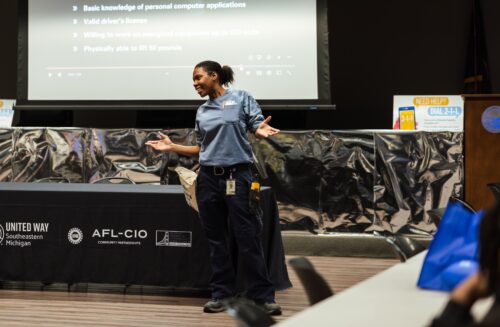

Los oficios especializados siguen siendo una opción lucrativa para las familias de ALICE que no pueden pagar la matrícula universitaria. John Griffin, liniero subterráneo en su cuarto año de aprendizaje, compartió lo rápido que se pasa del aprendizaje a la obtención de ingresos en los oficios.
“Le pagan por aprender; no tiene que ir a ningún lado a pagar para aprender”, dijo John. “Es un programa de cuatro años y gané 1 423 000 pesos en mi primer año”.”
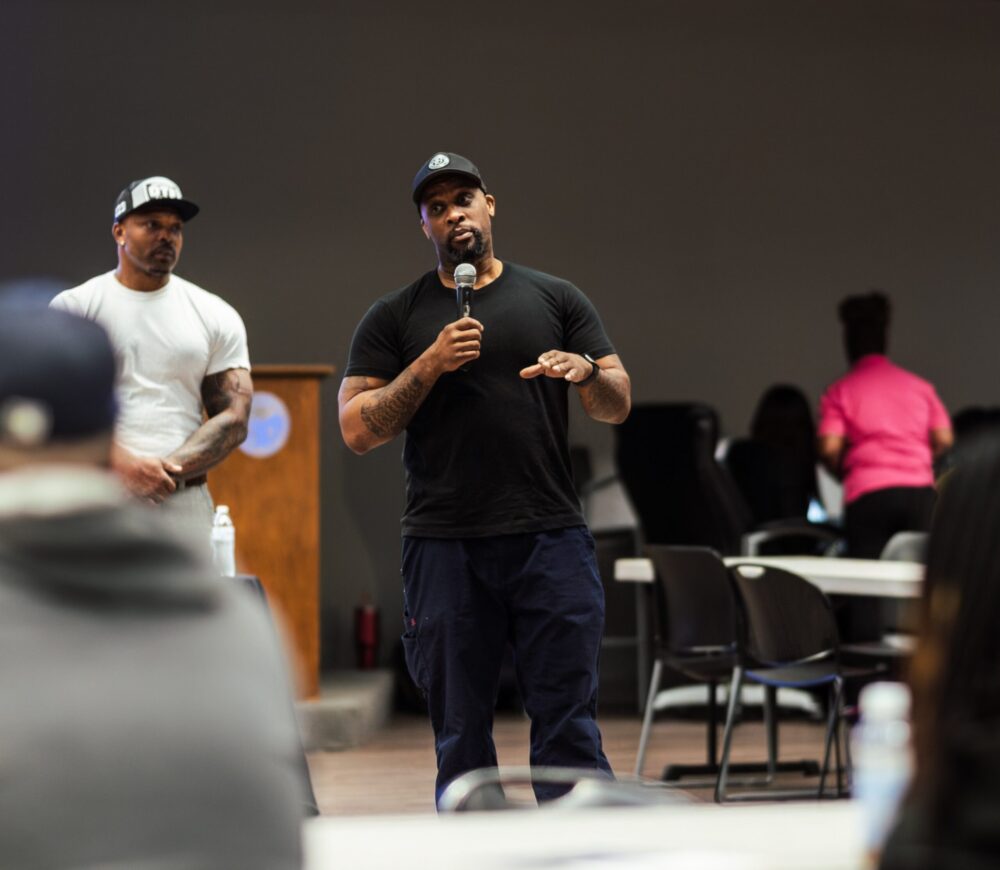
"Le pagan a usted por aprender; usted no va a ningún sitio a pagar para aprender."
EMPIECE HOY
Hoy en día, existen numerosas oportunidades para ingresar a una carrera en oficios calificados. Ignatius Brennan, presidente de GAS de la UWUA Local 223, les brindó a los estudiantes direcciones claras para comenzar.
“—Quiero que todos aquí se pongan lo más decididos posible: motivados y determinados —dijo Ignatius—. Si quieren conseguir un empleo aquí, se requiere estar libre de drogas, incluso si es legal.
“Deje de lado lo que sea que esté haciendo y comience hoy. Cada segundo que pasa es una oportunidad para empezar de nuevo.”
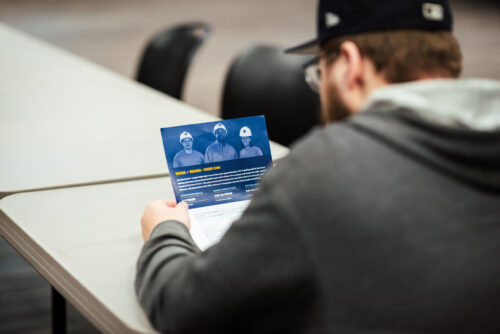
John señaló otros pasos que los estudiantes pueden seguir para familiarizarse con los oficios mientras esperan solicitar una pasantía.
“Adquiera algunas habilidades mecánicas, aprenda a usar sus herramientas y a trabajar con sus manos”, dijo John. “Si conduce un automóvil, aprenda a cambiar los frenos”.”
Si los estudiantes no son expertos en mecánica, no hay razón para temer aprender un oficio calificado. Akil Williamson, liniero subterráneo, compartió que comenzó con experiencia mínima.
“Cuando empecé, solo sabía cambiar una bombilla y cambiar las pilas de un control remoto”, dijo Akil. “Todo es trabajo arduo, pero ¿qué viene con eso?”
“Pregúntese: ‘¿En qué industria puedo trabajar duro y que me beneficie en el futuro?’

¿Quiere ayudar a que más estudiantes experimenten oficios calificados? ¡Haga su donación hoy mismo!

