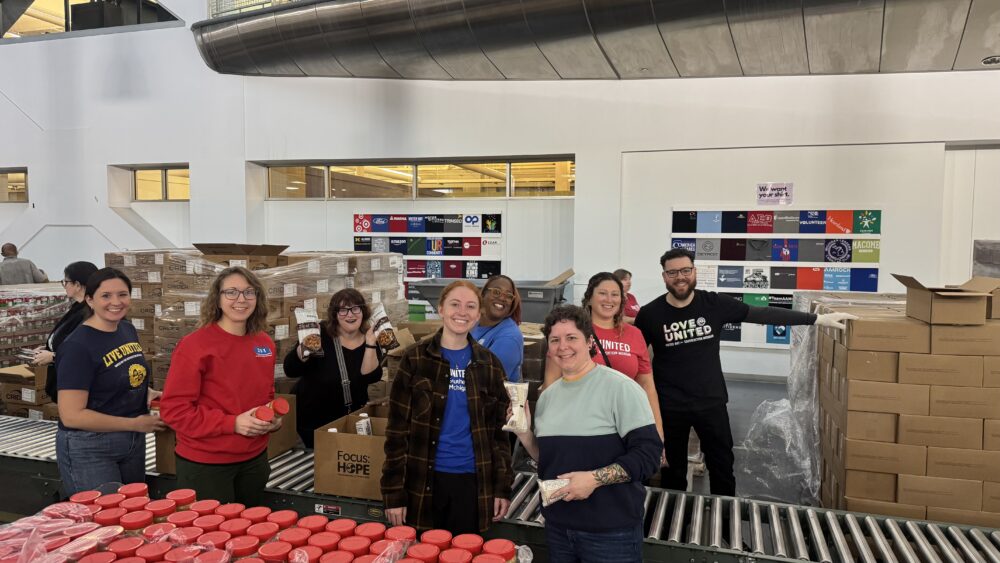
DETROIT, MI – 31 de marzo de 2026 – A medida que un número creciente de familias en el sureste de Michigan enfrenta desafíos económicos, United Way for Southeastern Michigan ha invertido $5.3 millones de dólares en financiación para apoyar a 95 organizaciones sin fines de lucro locales que brindan servicios esenciales a familias en los condados de Macomb, Oakland, Washtenaw y Wayne.
Estos socios comunitarios están ayudando a las familias a satisfacer necesidades inmediatas como alimentos, vivienda y apoyo juvenil, al mismo tiempo que las conectan con recursos que promueven la estabilidad a largo plazo.
Estas inversiones ya han ayudado a más de 200,000 personas y hogares. Casi todos los beneficiados son considerados por debajo del umbral ALICE (Assets Limited, Income Constrained, Employed), un término utilizado para describir a los hogares que trabajan pero que aún luchan por costear necesidades básicas como vivienda, cuidado infantil, servicios públicos y transporte.
United Way desempeña un papel único en los condados de Macomb, Oakland, Washtenaw y Wayne al reunir fondos, datos y socios comunitarios, garantizando que los recursos se distribuyan de manera eficiente donde más se necesiten.
Abordando las necesidades inmediatas y la estabilidad a largo plazo
La financiación de United Way apoya una variedad de servicios, desde asistencia de emergencia hasta programas integrales diseñados para ayudar a las familias a construir estabilidad a lo largo del tiempo, hasta soluciones políticas a largo plazo que crean oportunidades y promueven la movilidad económica.
“United Way se encuentra en una posición única para responder a la urgencia de los desafíos actuales y promover las soluciones a largo plazo que nuestras comunidades necesitan”, afirmó Jeff Miles, Vicepresidente de Impacto Comunitario de United Way para el Sudeste de Michigan. “Proporcionar inversiones flexibles nos permite a nosotros y a nuestros socios mover recursos a donde más se necesitan; apoyar al personal de primera línea, estabilizar los servicios esenciales y garantizar que las familias no queden desatendidas durante tiempos de incertidumbre. Queremos construir un sistema de atención conectado, que funcione para todos”.”
Fondo de Acceso y Respuesta Comunitaria Apoya la alimentación de emergencia, la prevención de la falta de hogar, programas extracurriculares y esfuerzos para reducir el ausentismo crónico.
- $USD 1.2 millones invertidos en 37 organizaciones
- 77.738 personas atendidas en la primera mitad de la subvención
- Más de 40% de organizaciones ya han superado sus metas anuales de servicio
Servicios integrales y Fondo de Estabilidad
- $3.5 millones invertidos en 41 organizaciones y colaboraciones
- Proporciona apoyo coordinado y multiservicio para las familias.
- 124.752 personas atendidas — ya el 70% del número esperado a ser atendido a mitad del período de la subvención
- Se enfoca en ayudar a las familias a abordar múltiples desafíos a la vez.
Connect4Care y Fondo de Cambio Sistémico
- $600,000 invertidos en 16 organizaciones
- Apoya a organizaciones que abogan por políticas que promueven soluciones a largo plazo para familias ALICE y apoyan un camino hacia la prosperidad.
- Reúne a las organizaciones centrales de servicios para personas sin hogar en nuestros cuatro condados para fomentar una mayor coordinación a través del intercambio de datos y la tecnología.
Cubriendo Brechas a Medida que Aumenta la Demanda
Dado que las fuentes de financiamiento federal y estatal enfrentan demoras, recortes e incertidumbre, la financiación flexible de United Way ha ayudado a garantizar que los servicios continúen sin interrupción.
Estos fondos han permitido a nuestros socios sin fines de lucro:
- Mantener al personal esencial en la primera línea
- Ampliar horarios y ubicaciones para atender a más familias
- Ofrecer servicios que no suelen cubrirse con fuentes de financiamiento tradicionales
- Responda con celeridad a la creciente demanda, incluyendo los picos de necesidad de asistencia alimentaria.
Muchas organizaciones informan que la demanda de servicios ha aumentado en más de un 30% en los últimos seis meses, mientras que otras han reducido las listas de espera y ampliado el número de personas a las que pueden atender.
Apoyar a familias que a menudo no califican para otras ayudas
A diferencia de muchas fuentes de financiación tradicionales, las subvenciones del United Way permiten a las organizaciones sin fines de lucro responder a familias que enfrentan dificultades financieras reales, incluso cuando esas dificultades no se reflejan completamente en los umbrales de elegibilidad convencionales.
“Al complementar donaciones más específicas, el apoyo operativo flexible de United Way nos ayuda a ampliar el acceso a la asistencia alimentaria de emergencia, a reducir el estrés de las familias trabajadoras y a brindar apoyo digno y oportuno a los hogares que se esfuerzan por mantenerse estables a pesar de las limitaciones financieras”, MiChele Basemore, Jefa de Estado Mayor, Metro Detroit AFL-CIO.
Mirando hacia el futuro
Si bien el impacto hasta la fecha es significativo, los socios sin fines de lucro están observando un crecimiento continuo de la necesidad, impulsado por el aumento de los costos, la incertidumbre económica y las dificultades para acceder a los beneficios públicos.
Al mismo tiempo, las fuentes de financiamiento se vuelven más limitadas, lo que genera preocupaciones sobre su sostenibilidad a largo plazo.
A pesar de estos desafíos, las organizaciones se están adaptando al formar nuevas alianzas, explorar fuentes adicionales de financiamiento y ajustar la forma en que se prestan los servicios.
Fortaleciendo una Red de Apoyo
El enfoque de United Way se centra no solo en financiar programas individuales, sino en construir una red conectada de organizaciones que trabajan juntas.
- Nueve de cada diez socios informan que colaboran activamente con otras organizaciones.
- Las asociaciones están ayudando a expandir servicios, desplegar recursos y mejorar los resultados para las familias.
- La colaboración está creando una experiencia más fluida para las personas que buscan ayuda.
Este enfoque coordinado asegura que las familias puedan acceder a múltiples tipos de apoyo sin tener que navegar los sistemas solas.
“La construcción de estas relaciones tiene valor a corto y largo plazo para asegurar que podamos servir a las personas necesitadas de manera colaborativa y coordinar esfuerzos, cuando sea posible”, Julie Hintz, Gerente de Programa, Macomb Community Action.
Una Espina Dorsal Regional de Apoyo
United Way para el sureste de Michigan funciona como un centro neurálgico que reúne fondos, socios y estrategias para responder a las necesidades de la comunidad en tiempo real.
Al invertir tanto en ayuda inmediata como en soluciones a largo plazo, United Way está ayudando a asegurar que las familias de toda la región no solo reciban el apoyo que necesitan hoy, sino que también tengan un camino hacia un futuro más estable. Para obtener más información sobre el proceso de subvenciones de United Way y consultar el informe, visite el siguiente enlace.
Para consultas de medios: Jerome Espy, United Way for Southeastern Michigan, 248-417-9567
Acerca de United Way para el sureste de Michigan
United Way for Southeastern Michigan, miembro de la red United Way Worldwide y organización sin fines de lucro 501(c)(3) de gobierno independiente, trabaja para ayudar a los hogares a ser estables y garantizar que los niños tengan el apoyo que necesitan para prosperar. Durante más de cien años, United Way ha sido un líder en la creación de cambios positivos, medibles y sostenibles en las comunidades del sureste de Michigan. United Way trabaja en asociación con donantes, agencias y socios corporativos y municipales para ayudar a las familias a satisfacer sus necesidades básicas de vivienda, alimentación, atención médica y finanzas familiares, y garantizar que los niños comiencen la escuela listos para aprender y se gradúen listos para la vida. Para donar, abogar, ser voluntario o aprender más, visite UnitedWaySEM.org.
# # #